

Military historian Talentino Angelosante explores the pivotal events of 1979 in his debut book, 1979: The Storm at the Heart of Islam. The book examines how the Iranian Revolution, the Grand Mosque seizure in Mecca, the Soviet invasion of Afghanistan, and the Egypt Israel Peace Treaty collectively reshaped the Middle East and influenced global politics for decades. Through detailed historical analysis and engaging storytelling, Angelosante argues that many of today’s geopolitical conflicts stem from decisions made during this transformative year. The 509 page narrative offers valuable insights for history enthusiasts, students, policymakers, military professionals, and anyone seeking a deeper understanding of the modern Middle East.

FOR IMMEDIATE RELEASE
The Year That Broke the World: Talentino Angelosante’s New Book Reveals How 1979 Became the Most Consequential Year in Modern History
Austin, TX – July 20, 2026 – Few years in recorded history carry the weight of 1979. In a single, extraordinary twelve months, a monarchy collapsed in Iran, Islam’s holiest sanctuary became a battlefield in Saudi Arabia, Soviet tanks rolled into Afghanistan, and Egypt signed a peace that shook the entire Arab world. These events did not happen in isolation. They happened together, feeding one another, colliding and diverging in ways that permanently rewired the politics of the Middle East and, with it, the trajectory of global history.
Talentino Angelosante’s debut book, 1979: The Storm at the Heart of Islam, captures this extraordinary year with the sweep of a historian and the precision of a strategic thinker. Published in 2026, this 509-page narrative history takes readers deep into the revolutions, sieges, wars, and choices that defined a pivotal moment in civilization. It does not simply recount what happened. It reveals why it matters right now.
The core message of this book is both urgent and clarifying: the conflicts, proxy wars, sectarian rivalries, and authoritarian endurance that define today’s Middle East are not ancient or inevitable. They are modern inheritances, born from specific decisions made by specific people in one turbulent year. Angelosante argues powerfully that 1979 was not destiny. It was a cascade of choices, and understanding those choices is the only way to understand the world we actually live in. This book speaks directly to readers who want that understanding, from students of history and international relations to policy professionals, military strategists, journalists, and any curious reader who has ever looked at the Middle East and wondered how it got here.
Angelosante writes with a rare combination of scholarly depth and narrative momentum. He does not bury the reader in academic jargon or reduce complex events to simple villains and heroes. Instead, he builds each chapter like a story, placing the reader inside the pressure, the fear, and the fateful decisions of the moment. His prose moves with urgency, grounding geopolitical forces in vivid human detail. Whether describing Khomeini’s return from exile, the gunfire echoing through Mecca’s marble courtyards, or the quiet bureaucratic transformation of Pakistan under Zia-ul-Haq, Angelosante makes history feel alive and immediate.
The book traces four diverging paths that emerged from the same year: Iran’s revolution institutionalized as state power, Saudi Arabia’s retreat into religious conservatism, Afghanistan’s descent into a jihad that produced transnational militancy, and Egypt’s calculated withdrawal from Arab leadership through peace with Israel. Together, these paths form the architecture of the modern Middle East, and Angelosante holds all four in view simultaneously, showing how they intersect, reinforce, and contradict one another across decades.
Part Two extends the story from 1980 all the way to 2025, tracing how Iran built its regional network of influence, how Saudi petrodollars reshaped global Islam, how the Afghan jihad planted the seeds of al-Qaeda and September 11, and how Egypt navigated authoritarian survival. The book closes with a striking postscript on the Winter 2025 protests in Iran, where the revolution’s original coalition reassembled, this time against the very republic born in 1979.
1979: The Storm at the Heart of Islam is available now on Amazon, at all major online retailers, and at bookstores worldwide.
For more information, review copies, or to schedule an interview with Talentino Angelosante, please contact:
Talentino Angelosante
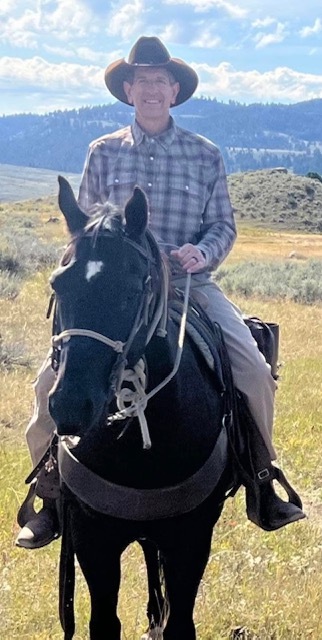
About Talentino Angelosante
Talentino Angelosante is a military historian and strategic thinker with a lifelong passion for uncovering the deeper patterns beneath world-shaping events. Drawing on decades of study across hundreds of scholarly works, he brings a sharp analytical eye to the turbulent history of the Middle East and Afghanistan. His perspective has been forged not only in research but through the wisdom of exceptional mentors and fellow service members, voices that breathe authenticity into every page. In 1979: The Storm at the Heart of Islam, Angelosante transforms years of rigorous study into a gripping narrative that reveals the forces of power, ideology, and decision that forever altered our world.